
 Written by
 Across Africa, we often say—half-lament, half-joke—that “we are not a reading people.” Millennials and the generations behind them speak of a fading reading culture, and the evidence is not hard to spot: fewer books in homes, fewer children reading for pleasure, and more time spent scrolling than thinking.
Yet, here is the good news: we are not condemned to repeat yesterday’s story.
We have a rare opportunity—right now—to shape a different future with Gen Z and the generations after them. And the truth is wonderfully simple: a reading culture does not begin in libraries, schools, or bookstores. It begins at home. It begins with parents who decide that books will not be strangers in their living rooms.
The African Advantage We Often Ignore: Community
African children do not grow up in isolation. They grow up surrounded by community—parents, siblings, cousins, aunties, uncles, neighbours, church members, teachers, and friends. That community is either shaping a child towards depth or pulling them into distraction. It is either feeding curiosity or numbing it.
When parents choose reading, they are not only helping their children pass exams. They are shaping:
attention span (the ability to focus without collapsing into boredom),
language and communication (a child who reads speaks, writes, and reasons better),
imagination and creativity (books train the mind to build worlds),
emotional intelligence (stories help children understand people, motives, pain, courage, consequences),
discipline and self-leadership (reading teaches finishing what you started),
and faith formation (when reading is connected to God, it becomes discipleship, not just leisure).
A Proof That It Works: Our MABB Story
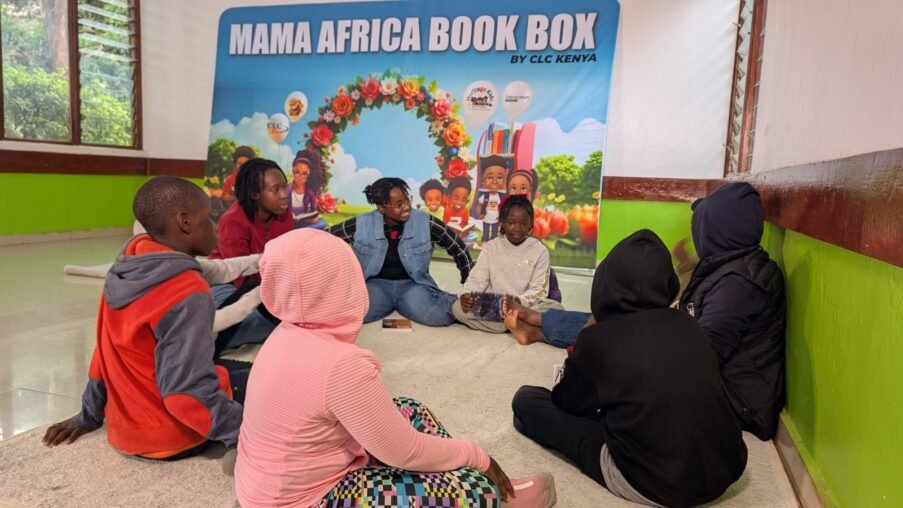
At Mama Africa Book Box (MABB), we have seen this journey in real time.
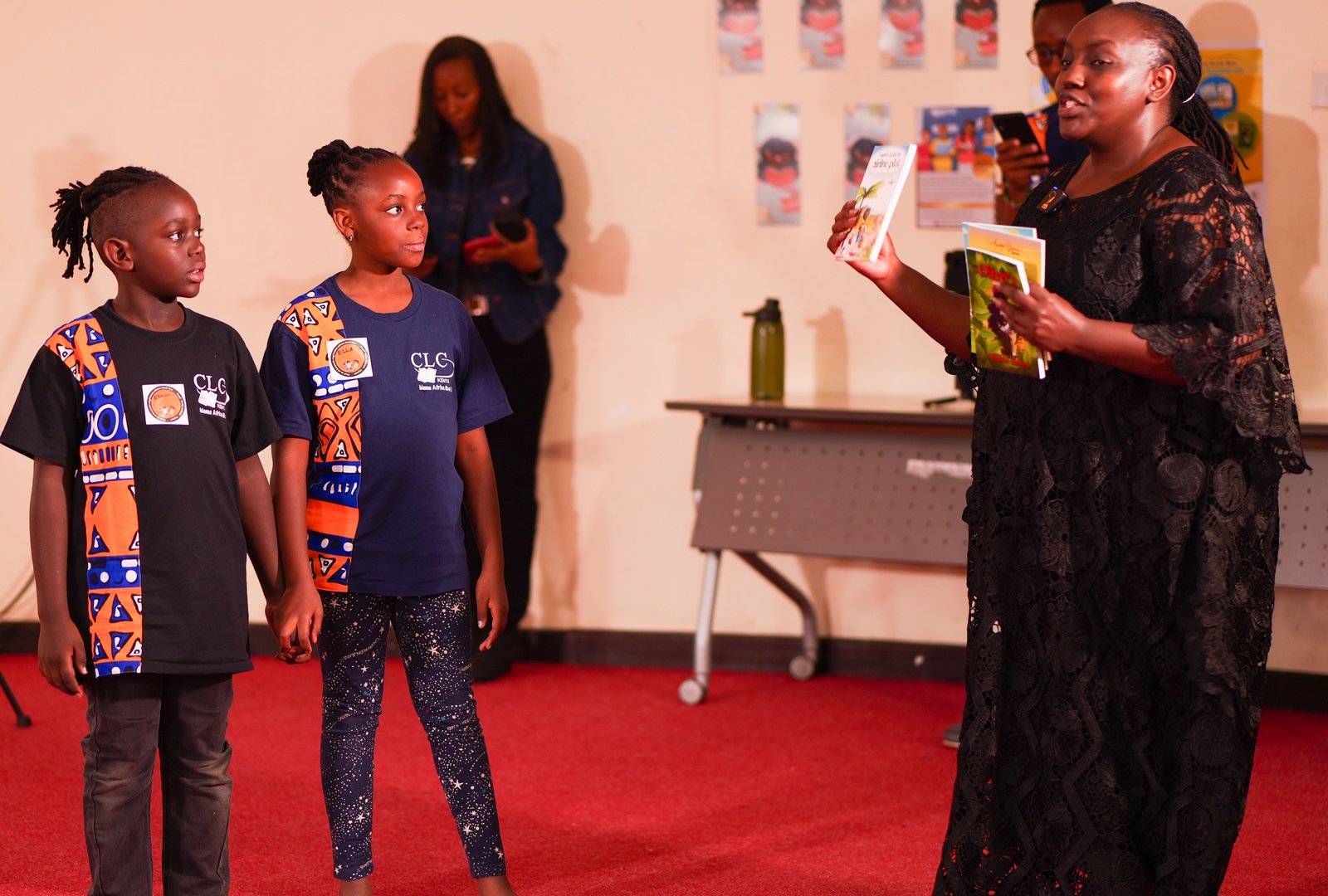
We published our first set of children’s materials in 2019. Those children are no longer “the little ones.” Many have grown and graduated into young adults who are comfortable around books—not only for schoolwork, but for leisure. They can sit with a book without needing a phone to keep them “alive.” That is not a small miracle in this generation.
Then came a new crop of children who began in 2022. In ten years, they too will be young adults. The question is not whether they will grow. They will. The question is: What will they grow into?
Young adults who can think deeply, communicate clearly, and lead wisely?
Or young adults who struggle to read a full chapter without looking for a shortcut?
Parents have more influence over the answer than we like to admit.
Why Parents Must Lead This (And Not Outsource It)
Yes, schools matter. Yes, publishers and reading clubs matter. Yes, churches matter. But none of these can replace a parent’s daily authority over a child’s environment.
A parent controls, more than anyone else:
what enters the home,
what is normal in the home,
what is rewarded in the home,
what is limited in the home.
A child will read if reading is normal. A child will avoid books if books are treated like punishment—something reserved for exams and “when you have misbehaved.”
Home is where reading becomes either delight or dread.
The Greatest Threat to Reading in This Generation: Screen Time
We must say it plainly: the greatest threat to building a reading culture is not poverty, and it is not lack of intelligence. It is screens.
Screens are not evil. But they are powerful. They are designed to keep attention, reward impulsivity, and reduce patience. Books do the opposite: they train attention, reward discipline, and increase understanding. This is why children who read regularly often become calmer thinkers and clearer speakers.
So what do we do?
We do not just shout, “Stop watching!” (That strategy rarely works, and it ages parents faster than it helps children.) We do something wiser:
Swap Some Screen Time with Books—Then Fill the Rest with Wholesome Content
Start with a swap. Not a war.
If a child is on screens for two hours, swap 30 minutes for a book.
If a child is on screens for four hours, swap one hour for reading.
Build it gradually until reading becomes a lifestyle, not a negotiation.
And for the remaining screen time, choose content that exercises the mind—educational programmes, faith-based content, story-driven content with moral clarity, content that builds vocabulary and imagination rather than dulling it.
Entertainment is not the enemy. But entertainment without direction becomes a thief.
As Children Are Entertained, Draw Them to God
Here is where Christian parenting becomes beautifully intentional.
Children will always be drawn to what captures their attention. If we do not shape what captures their attention, the world will gladly do it for us—and then send us the invoice in teenage confusion.
As children read and learn and explore stories, they must also be guided to the One who gives meaning to every story.
Because the greatest inheritance a parent can leave a child is not merely education, money, or opportunities.
The greatest inheritance is God.
A reading culture becomes even more powerful when it becomes a discipleship culture—where children learn to love truth, recognise wisdom, and hunger for what is pure.
When children learn to read well, they can also learn to read the Bible well. They can discern. They can grow. They can carry faith beyond childhood slogans into personal conviction.
Practical Ways to Build a Reading Culture at Home (Without Overcomplicating It)
Here are realistic approaches that work in African homes—busy homes, loud homes, multi-generational homes, and homes where life does not pause neatly.
1) Make books visible. A hidden book is a forgotten book. Put books where children live: sitting room, bedside, even the car.
2) Create a family reading rhythm. It can be 15–30 minutes a day. Consistency matters more than length.
3) Read aloud—even after your children can read. Read-aloud time builds vocabulary and connection. Children often remember how they felt more than what they read.
4) Let children see you read. A parent who never reads but demands reading creates confusion. Children imitate what we practise, not what we preach.
5) Talk about stories the way you talk about life. Ask: What did you like? What surprised you? What lesson did you learn? What would you have done differently?
6) Reward reading with joy, not pressure. Celebrate finishing books. Let reading be associated with warmth and achievement, not threat and dread.
7) Guard bedtime. If screens dominate bedtime, reading struggles. If reading owns bedtime, reading grows.
A Shared Assignment: Parents and Community
Initiatives like MABB and others across Africa are intentional about raising readers. But we cannot achieve this without parents and the communities these children are in.
A child who reads at a book club once a month but lives in a home where screens are unlimited will struggle. But a child who lives in a reading home—even if resources are modest—will flourish.
This is why the invitation is not merely to join a club. It is to join a movement: the building of a generation of reading Africans—children who become adults with depth, wisdom, and spiritual stability.
And yes, the world may still tease them for reading.
Let them laugh.
Ten years later, those readers will be leading organisations, writing policies, preaching sermons, innovating businesses, and raising the next generation with clarity. Reading is quiet work, but it produces loud results.
Join Us: MABB Community Reading Gatherings
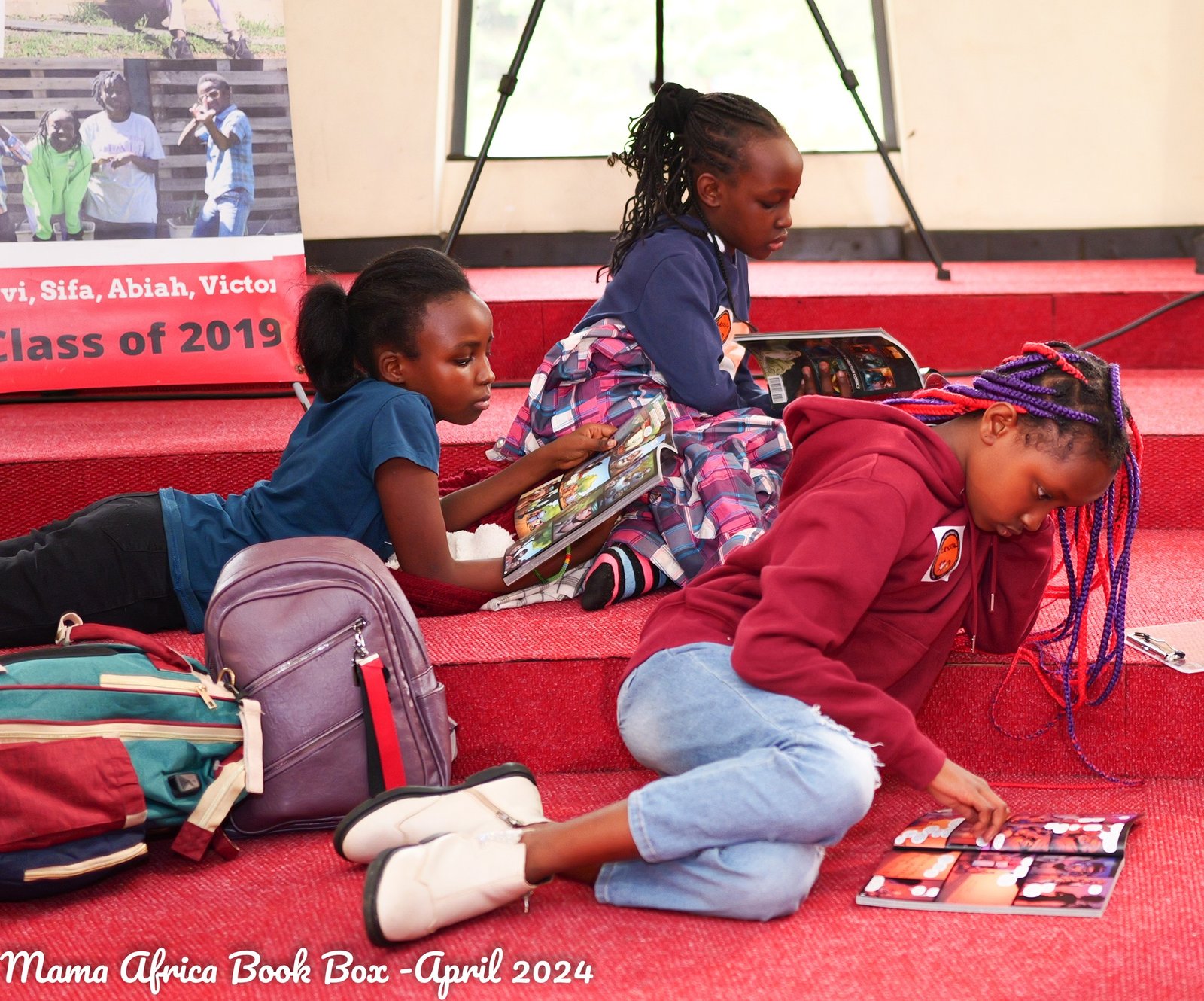
If you want practical support and a community that understands this assignment, join us:
MABB Online: Every 1st Saturday of the month, 9:00am–10:00am on Zoom
MABB Nairobi (In-Person): Every 3rd Saturday of the month, 8:30am–12:00pm
Come as you are—parent, guardian, or community builder. Come to learn. Come to be encouraged. Come to help raise a generation that not only reads well, but knows God deeply.
Because when we give children books, we give them tools for life.
And when we give them God, we give them life itself.
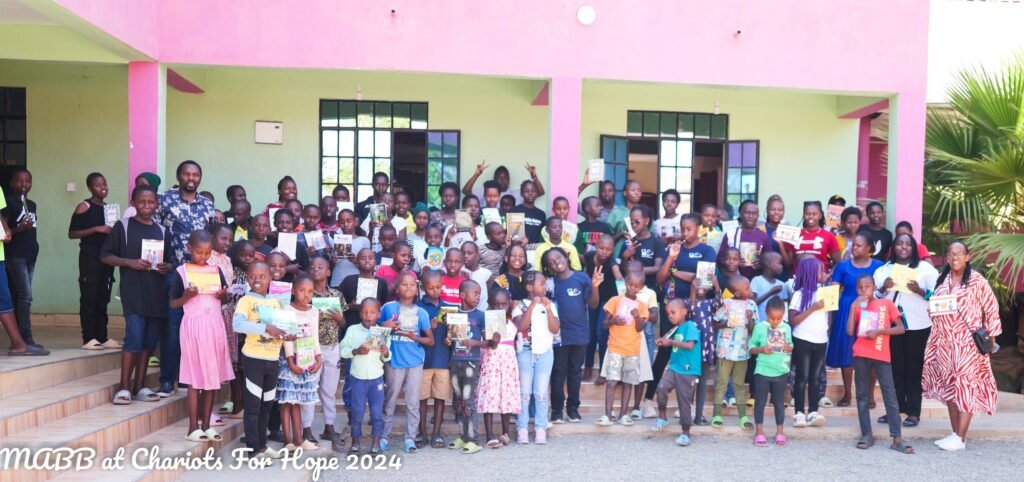
Let Your Children Join
Kenya. Uganda. South Africa. Eswatini. Botswana. Zimbabwe
Many Languages One Continent
Join a 10-20 year investment in and for Africa!

1 thought on “Raising Readers, Raising Disciples: Why African Parents Must Build a Reading Culture at Home”